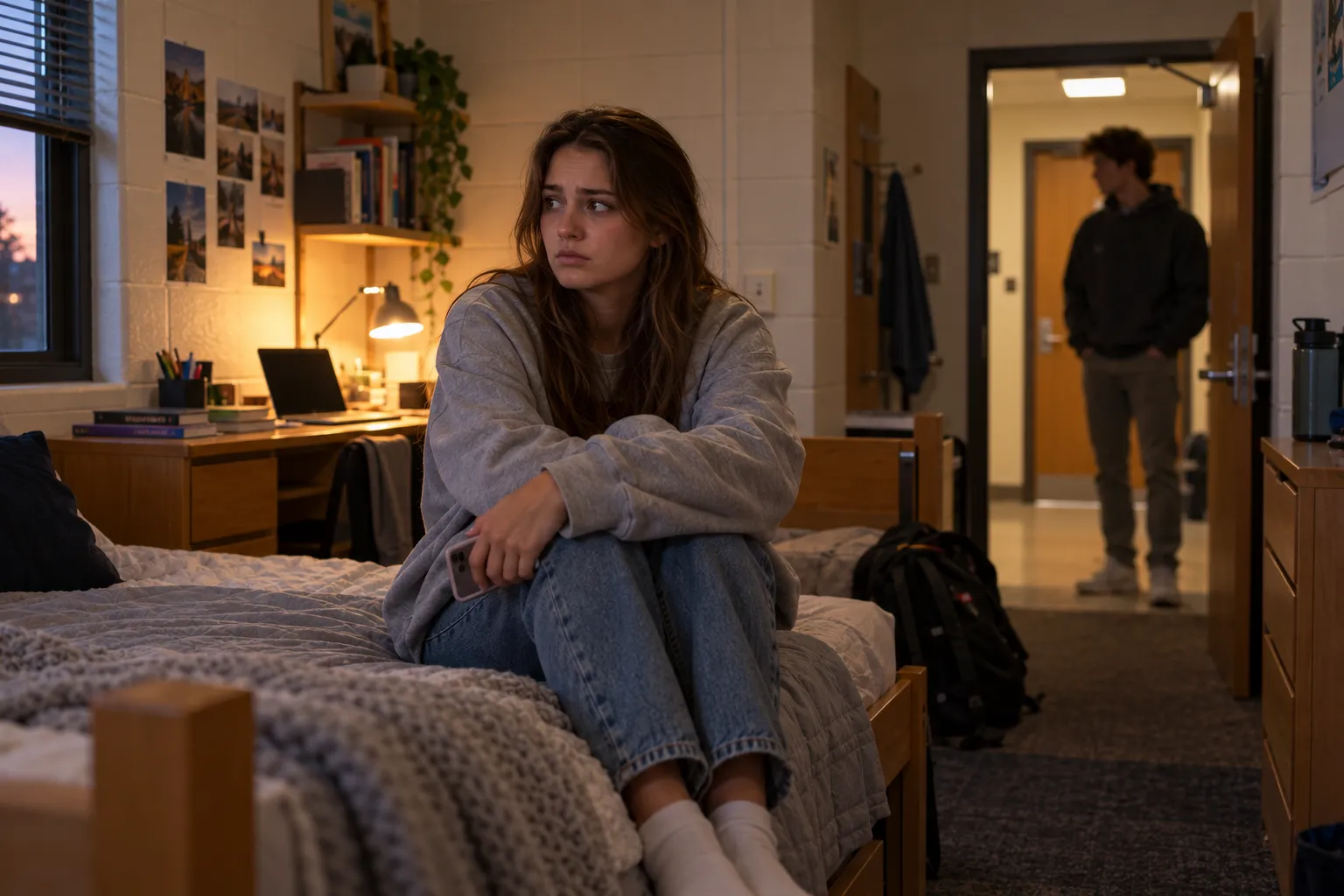
Title IX requires every college and university that receives federal funding to respond promptly and fairly when a student reports sexual assault or harassment. The problem is far larger than the numbers schools report. A 2024 survey of students at ten universities found that nearly one in five women had experienced nonconsensual sexual contact, and four in five students who are assaulted never go to the police. A CBS News review of federal campus crime data counted more than 45,000 reports to schools from 2019 to 2024 — a figure experts say badly undercounts what actually happens.
When schools fail, the failures follow a pattern. Outside investigations have found athletic departments handling sexual misconduct allegations in-house instead of reporting them. University doctors kept seeing students for years after complaints, and universities have since settled with hundreds of former patients. A June 2026 California State Auditor review found nearly half of the campus sexual misconduct cases it examined were closed without formal action. And since 2025, federal enforcement has sharply retreated — the Education Department's Office for Civil Rights opened fewer than 10 sexual violence investigations after its March 2025 layoffs — leaving civil claims as one of the few remaining ways to hold a school accountable. A claim does not depend on the assailant ever being arrested, charged, or convicted.
Survivors may be able to hold a college or university accountable for what it did — and failed to do — after an assault, not only the person who committed it.

Everything shared through this case review — the details provided, the school involved, and any reports, records, or other documents — stays between the person submitting it and our intake team. We do not sell, rent, or share your information with third parties, and your participation is never made public. Campus sexual assault lawsuits are routinely filed under “Jane Doe” pseudonyms to protect survivors' identities.
Damages vary by case, and every survivor's situation is different. Common categories of damages in campus sexual assault cases like these include:
Therapy, trauma-focused counseling, psychiatric care, medication, and treatment for PTSD, depression, anxiety, eating disorders, substance-use disorders, and other conditions tied to a sexual assault in college.
Long-term therapy, ongoing psychiatric treatment, intensive outpatient or residential programs, and the cost of recovery that often continues for years after graduation — or after leaving school.
Emergency and follow-up care, forensic examinations, testing and treatment for sexually transmitted infections, pregnancy-related care, and treatment for any physical injuries caused by the assault.
Tuition and fees for semesters withdrawn from or failed, lost scholarships, financial aid, or athletic eligibility, the cost of transferring schools, and the delayed or abandoned degree that can follow an assault the school failed to address.
Internships, job offers, and career paths lost to the aftermath, and the lasting reduction in earning capacity that can follow when trauma interrupts an education at its most consequential stage.
Emotional distress, humiliation, fear, loss of trust, and the diminished quality of life caused by sexual assault — and by being disbelieved, dismissed, or ignored by the institution responsible for student safety.
Harm caused by what followed a report: retaliation by school officials, coaches, or teammates, loss of a team spot, housing, or campus job, and being pushed out of school for coming forward.
Moving out of campus housing or relocating, travel to treatment, the cost of seeking protective orders, and other expenses survivors have had to absorb because the school did not act.
In cases like these, a college or university may be held accountable under Title IX for responding to a known report with deliberate indifference and for retaliating against a student who came forward, and under state law for negligent hiring, supervision, or retention of the coaches, staff, and physicians it placed in contact with students. Public and private schools alike can be liable, though claims against public universities can carry short notice requirements. Filing deadlines vary by state and by when the assault occurred — some states have opened revival windows, while others set short limitations periods — so the only reliable way to know whether a claim is still open is to have it reviewed.
See if You QualifyAt Aylstock, Witkin, Kreis & Overholtz PLC, we represent survivors of sexual assault, abuse, and harassment at colleges and universities — including assaults by other students, athletes, fraternity members, coaches, professors, and campus doctors. Our attorneys work closely with each client, with the discretion and care these cases demand, to pursue accountability from the schools that were responsible for their safety and failed to act.
Our attorneys handle complex civil cases against institutions — colleges and universities, athletic programs, and the officials who received reports and failed to act. The team reviewing each case has worked in this category before.
We come ready to take cases through to trial when defendants resist a fair resolution. The credible threat of trial is what drives settlements — and it's a posture not every firm can credibly hold.
You pay nothing up front and nothing during the case. Fees only apply if we recover compensation on your behalf.
This is an advertisement from Aylstock, Witkin, Kreis & Overholtz PLC advocating for individuals who believe they have a Campus Assault claim in the United States. The content on this webpage is provided for informational purposes only by Aylstock, Witkin, Kreis & Overholtz PLC. Visit us at awkolaw.com.
This site contains general information that may not reflect the most current legal developments and assumes findings of fact for illustrative purposes only. A detailed analysis of your specific case would be necessary to provide an accurate assessment of potential compensation. There is no guarantee that a court or arbitrator will rule in your favor. Viewing this website does not create an attorney-client relationship. It is not intended as legal advice. For legal advice, please consult an attorney at Aylstock, Witkin, Kreis & Overholtz PLC. Past results do not predict future outcomes and do not guarantee any specific result.